How Rei Kawakubo’s 1997 collection changed public discourse around gender norms and body image.
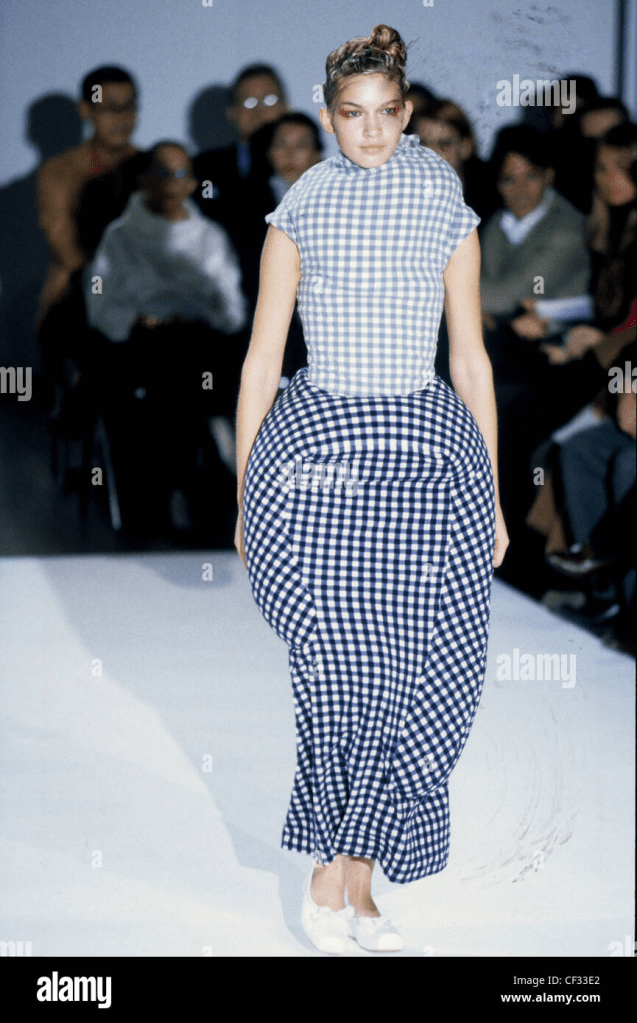
Introducing the collection “Body Meets Dress: Dress Meets Body” designed by Rei Kawakubo of Comme des Garçons, and why it changed my perspective on art and fashion as a whole.
One of my favorite collections of all time was by Comme des Garcons, designed by Rei Kawakubo, the brand’s founder. The collection entitled “Body Meets Dress: Dress Meets Body” was and remains an extremely groundbreaking and controversial collection because of it’s avant-garde silhouettes that challenged the collections that were being designed during this time, that appealed more for their sexy, sleek silhouettes and design. The 90’s were pivotal years for the fashion industry, as emerging designers began to challenge societal norms and ideologies surrounding clothing and luxury fashion. Designers such as Alexander McQueen, Martin Margiela and Rei Kawakubo began to shift gears towards the avant garde silhouettes that are much more common today– acting more as art pieces rather than typical luxury clothing. They questioned body image, sexuality and overall identity.
The “Body Meets Dress: Dress Meets Body” show was a Spring 1997 collection that shocked the world for its lumpy renderings of classic dress silhouettes. While the pieces in this collection might not be the most visually appealing, their appeal resides within their symbolism.
Comme des Garcons, which directly translates to “Like the Boys” is a reflection of Kawakubo’s objection to gender bias and normalities within clothing– centralized around the idea that women’s clothing goes beyond uncomfortable and tight-fitting silhouettes.
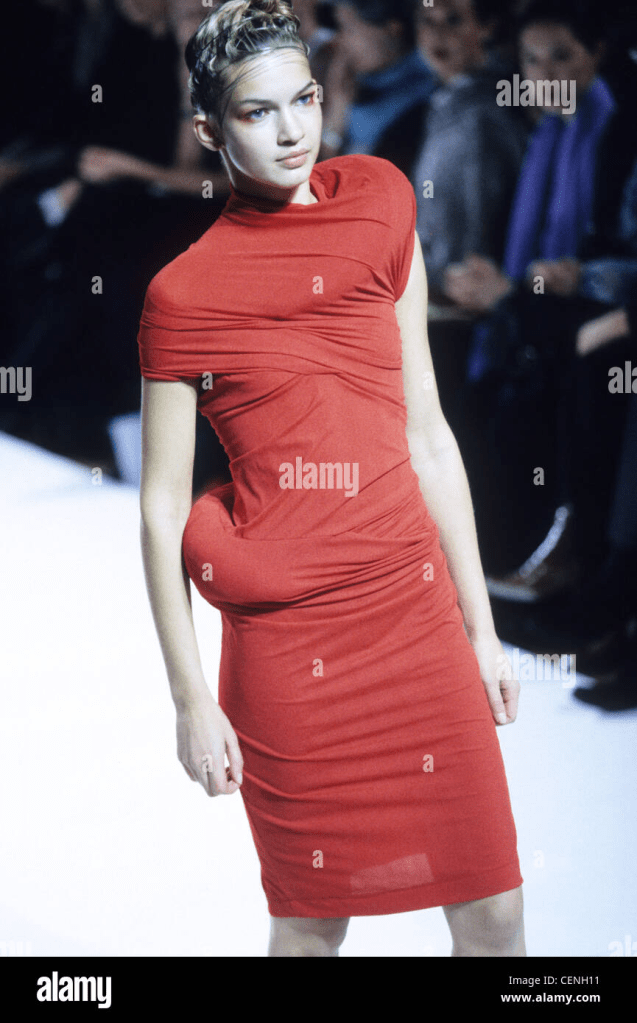
I first came across the Lumps and Bumps collection when I was trying to find my place in fashion and feel secure in my identity. As someone whoo identifies as female, I never felt entirely comfortable in traditional women’s clothing. I always caught myself gravitating towards baggier, more functional wear that often didn’t accentuate my figure. Although I felt physically comfortable wearing these clothes, in the public eye, I felt ashamed not abiding by what was normal. When I discovered the. Lumps and Bumps collection, I was immediately drawn in by the fact that all the pieces looked like a “typical” women’s garment that was distorted to emphasize functionality and movement. I also really admired how angry it made people just for being different and in a way, it made me feel more excited and inclined to steer away from typical tropes in fashion.
Moving forward, Rei Kawakubo’s fearless approach to fashion provides a blueprint for challenging societal norms. Her daring innovation urges us to question conventions and celebrate diverse identities. From the perspectives of both consumer and fashion designer, we can learn from Kawakubo’s own embrace of authenticity and creativity to forge a path towards a more inclusive world where authenticity reigns supreme. Inspired by Kawakubo’s legacy, we can continue to push boundaries and redefine what it means to be ourselves.
 Jade Anaya